
HyperTyre® as a concept for fuel saving by ionizing the tire’s rubber pronong tire lifespan
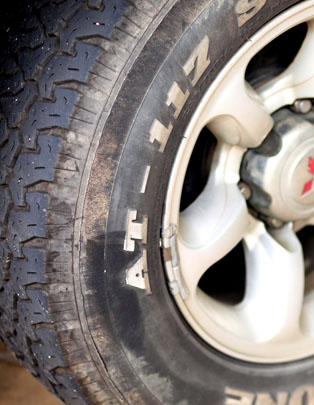
A conventional tyre after 9 months using, – the tyre surface is dirty and NOT ionized before. |
The same time used tyre, but with an ionized working surface, – after 9 moths of operation the tyre is clean like by the first day of use. |
|

|
Car tires are not only a source of environmental pollution during their recycling, but also a significant factor in the cost of transport services. Especially few people realize, but a tire that is half worn increases fuel consumption by 10 percent! This proposed technology of ionization of the tire rubber allows you to extend the service life of the tire by several times and reduce fuel consumption from the first hours of its use!
MORE PHOTOS FROM THE 9 MONTHS TEST | ORGANIZING THE SERVICE
"TYREGATE" → TIRE ROBBERY: EVERYONE IS LYINGYou are overpaying for air. Tire manufacturers effectively remove up to 30% of a tire's usable life before it even leaves the factory, while dealers sell these "demo versions" at full premium prices.In this site we uncover one of the biggest manipulations in the modern automotive industry. You'll learn what tread shrinkflation is and why many modern Michelin, Continental, and Goodyear tires leave the factory with only about 6.5mm of tread depth instead of the traditional 8 – 9mm. We will also explain the difference between OEM tires with homologation markings (MO, AO, Star, T0) and the retail versions sold in tire shops ─ and why the OEM versions often wear out much faster.
Finally, SECRET №1: TREAD SHRINKFLATIONFor decades, new summer tires typically started with around 8 – 9.5 mm of tread depth. That provided enough rubber for safe wet performance and several seasons of driving.Today many premium tires start closer to 6.5mm. Some high‐performance models even begin around 5.8 mm depending on the size. The legal wear limit is 1.6mm, but most safety experts recommend replacing tires at about 3mm because wet‐road grip declines rapidly below that point. When you compare the numbers, the difference becomes significant: a large portion of usable tread has already disappeared before the driver even begins using the tire.
SECRET №2: THE OEM ILLUSIONMost drivers assume that the tires installed on a brand‐new car are identical to the ones sold in tire stores. In reality, automakers frequently order special OEM versions.These tires include markings such as MO (Mercedes‐Benz), AO (Audi), a star symbol for BMW, or T0 for Tesla. Although dealers present these as specially engineered products, their main purpose is often to improve efficiency ratings, reduce noise, and create a comfortable first impression during a short test drive.
SECRET №3: THE DOT DATE MYTHMany drivers believe tires must be extremely "fresh," rejecting products that are two or three years old.However, modern tires contain antioxidants, protective waxes, and stabilizing compounds that slow the aging process. When stored properly in a cool, "dark" warehouse, the chemical degradation of rubber occurs very slowly. According to several international tire industry organizations, tires up to five years old can still be considered technically new if stored correctly.
SMART BUYING STRATEGYInstead of relying on marketing myths, drivers should:
Think critically, protect your budget, and choose wisely. |
© 2012 → 2026 – HOME | STORM´s FUEL SAVING COMP.